Sign Up for Our Newsletter!

Florida Indoor-Outdoor Lighting Design: Is Landscape Lighting Worth It? 

Landscape lighting is often the last thing a homeowner plans and the first thing they wish they had not skipped. After dark, an unlit exterior turns your windows into black mirrors and severs the connection between your rooms and your grounds. 

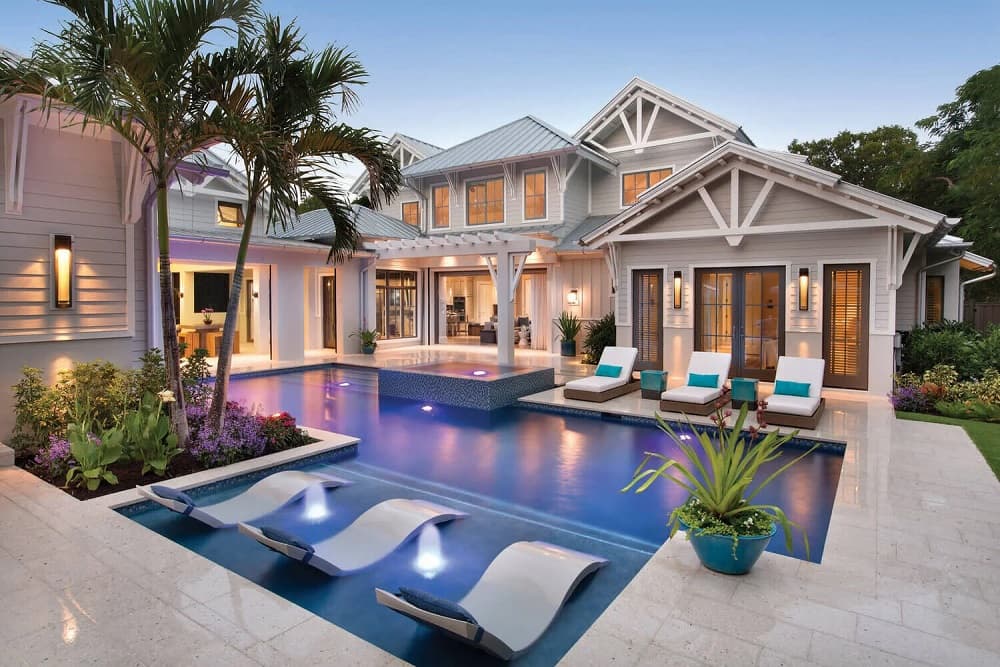
Done well, the right fixtures extend the home outward, and skilled lighting designers in Fort Myers can make your living room and your lanai feel like a single, continuous space. The starting point is understanding how a thoughtful plan dissolves the line between interior and landscape

Is landscape lighting worth it in Florida? 

For owners of luxury properties, yes. Custom landscape fixtures deliver immense value by extending your living and entertaining space past the walls of the house, long after the sun goes down. Because the warm climate and year-round outdoor culture in Southwest Florida mean your family actively uses the grounds after dark, a unified exterior plan elevates both lifestyle and security. 

Safety & security

Safety is the first payoff. Lit paths, steps, and pool edges prevent stumbles, which matters where the patio doubles as a living room much of the year.

Security follows close behind. A well-lit exterior removes hiding spots and makes a property less appealing to intruders, all without floodlighting the whole yard.

Beauty & presence
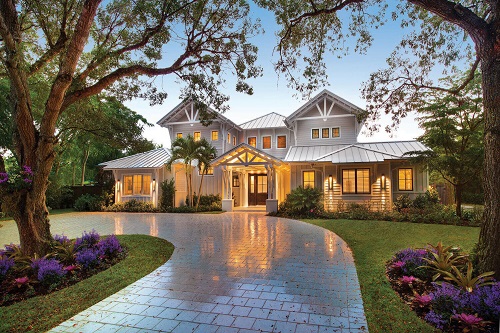
What is the best lighting for a Florida lanai

Then there is beauty. Thoughtful patio lighting design turns palms, water features, and architecture into nighttime focal points, extending your enjoyment of the yard well past sunset.

Where exterior fixtures pay off most:

  • Entryways and walkways: safe footing and a welcoming first impression.
  • Trees and plantings: uplighting adds drama and depth after dark.
  • Pools and water features: gentle illumination makes the area safer and more inviting.

Designed for the long term

A thoughtful exterior system is built to last and to evolve. Low-voltage fixtures and durable, corrosion-resistant finishes hold up to the coastal climate, while a centralized design lets you adjust scenes or add zones as the landscape matures. The result is an exterior that stays as refined years from now as the day it was commissioned.

The return is both practical and architectural. You gain usable hours outdoors, a more secure property, and a home that looks its best long after the sun goes down.

What is the best lighting for a Florida lanai? 

The lanai is where indoor and outdoor living actually meet, so its fixtures set the tone for the whole transition. The best ones balance soft ambient glow with focused task light, all built to survive humidity and salt air. Get this space right, and the line between inside and out starts to disappear. 

Build it in layers

Good lanai lighting design starts with layers. Ambient light fills the space for everyday use, task light brightens a grill or seating nook, and accent light highlights plants or architecture. Mixing all three lets the porch echo the comfort of the room just inside the doors. 

Choose fixtures that survive the climate

Material choice matters just as much as placement. The coastal climate is hard on fixtures, so the right ones are rated for wet or damp locations and built from corrosion-resistant materials. 

A few features to look for:

  • Wet-rated or damp-rated fixtures. These resist moisture and hold up to the humidity that defines a coastal climate.
  • Corrosion-resistant finishes. Marine-grade aluminum, brass, or powder-coated options last far longer near salt air.
  • Dimmable sources. Adjustable output lets one space shift from bright function to relaxed evening glow.

    Get the placement right

    Placement deserves the same thought. Fixtures mounted under the roofline wash the ceiling with soft, indirect light, while fixtures aimed down can create glare on a screen enclosure. A designer maps the layout so the light feels even, with no harsh hotspots or dark corners across the space.

    Done well, a covered porch becomes the most-used room in the house. It offers the comfort of an interior space while keeping the open, breezy feel that made you want a lanai in the first place. 

    What color temperature is best for outdoor living spaces? 

    Color temperature is the quiet detail that makes inside and outside feel like one space or two. Warm white, generally in the 2700K to 3000K range, suits most exterior areas because it matches the cozy tone of a typical living room. Cooler tones break that continuity and make the patio read as a separate, clinical zone. 

    How color temperature works outdoors
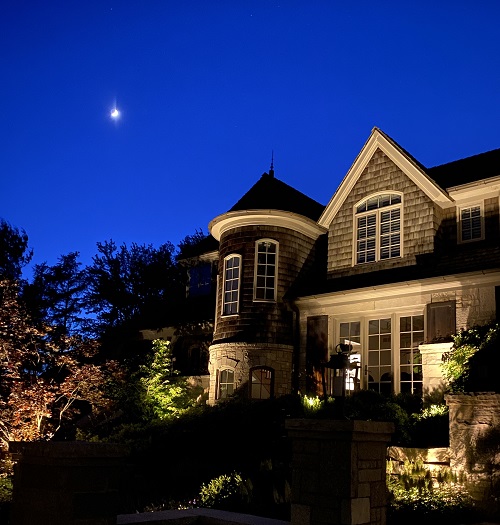
    What color temperature is best for outdoor living spaces

    Color temperature measures how warm or cool a light appears. Lower numbers lean amber and cozy, while higher numbers look bluish and clinical. To keep the eye from snagging at the sliding doors, the exterior tone should sit close to the warmth you already use indoors.

    Outdoor spaces also behave differently from interior rooms. Without walls to bounce light around, exterior fixtures lose warmth and intensity faster, so a tone that looks cozy indoors can feel dim outside. Choosing fixtures with that falloff in mind keeps the glow even once the sun is down.

    Why warm light matters near the coast

    There is a practical reason to think carefully near the coast, too. State wildlife guidelines call for long-wavelength, amber-toned light in areas visible from the beach, since bright white and blue light can disorient nesting sea turtles and their hatchlings. Warm, shielded fixtures keep your evenings comfortable while staying considerate of the coastline.

    For most outdoor living lighting, a simple approach works:

    • Gathering areas: stick with warm white around 2700K for a relaxed feel.
    • Task zones: a slightly brighter 3000K helps at a grill or prep counter without going cold.
    • Pathways and accents: warm, low-output fixtures guide the eye without glare.

    Consistency ties it together. Keeping color temperature steady across your patio, pool deck, and garden prevents the patchwork look of mismatched bulbs.

    Can outdoor lighting be controlled with smart home systems? 

    Yes, and integrating exterior fixtures into your connected system is one of the most rewarding parts of the design. The same platform that runs your interior fixtures can manage everything beyond the back door.

    What integration actually does

    With a unified setup, your patio, pool, and garden respond to schedules, scenes, and a single tap. You can set the deck to glow at sunset automatically, or dim every fixture for a movie under the stars. Deciding which areas of the home earn automation first helps you phase an outdoor rollout sensibly rather than all at once.

    Integration also brings the indoors and outdoors into one rhythm. A single evening scene can lower the interior lights, warm the patio, and light a path to the pool at the same time. That coordination is the heart of true indoor-outdoor lighting design.

    Plan for outdoor-rated hardware

    Weather resistance carries over to the controls, too. Outdoor-rated keypads, transformers, and wiring stand up to heat, rain, and humidity in ways indoor parts cannot. Planning this from the start avoids the headache of swapping failed components a season or two later.

    Practical perks of connecting exterior fixtures:

    • Schedules. Lights follow sunrise and sunset without you lifting a finger.
    • Scenes. One command sets the whole property for dining, swimming, or relaxing.
    • Away control. Remote access lets you light the grounds before you arrive home.

    The way you operate it all matters as well. The right mix of voice commands, app control, and wall panels decides how natural an outdoor system feels in daily use.

    Who are the leading lighting designers near me in Fort Myers, FL?

    When your indoor and outdoor spaces deserve to feel like one, Liaison Technology Group brings the design and technical skill to make it happen. As a CEDIA-certified team with award-winning work, including a Global Home Technology Award for shading, we plan every fixture, control, and scene around how you actually live. 

    Whether you’re located close to the historic Murphy-Burroughs House or in any other nearby community, we handle the whole process, from first concept to a polished, finished install. If you are picturing evenings where your living room and lanai flow together effortlessly, reach out to us today and let’s design that experience together.

    Voice Control, App Control, or Wall Keypads: What’s Best for Automated Lighting?

    Well-designed homes share a quiet detail most people never notice: you rarely see anyone fumbling for a light. The control feels invisible because it was designed, not assembled from whatever the installer had on hand. How you command your fixtures shapes the daily experience of a home as much as the fixtures themselves. 

    A thoughtful approach to lighting home automation in Fort Myers decides whether the technology disappears or quietly nags at you. The right answer usually combines methods, and the way control is designed into the architecture is what makes it feel effortless. 

    Is voice control better than app control for smart lights? 

    Neither is the answer on its own, because in a well-designed home, they serve different moments. The goal is not to pick a winner but to assign each method the role it does best. 

    Benefits of voice control

    Voice-controlled lighting is the most natural choice when your hands are occupied. A spoken word can soften an entire room for the evening or settle the house at bedtime, with nothing to reach for. It suits the kitchen mid-task and the primary suite at night, where convenience should feel weightless. 

    Benefits of app control

    App-controlled lighting is the tool for intent and oversight. From a single screen, you can refine a scene, adjust a schedule, or check that the home is settled while you travel. It is less an everyday control than a way to shape and supervise the whole system. 

    How they work together

    In practice, the two complement each other. Voice carries the quick, in-the-moment gestures, while the app handles the deliberate work of tuning and remote oversight. Both, though, sit on top of something more permanent: the architectural controls built into the walls themselves. The same judgment that decides this also guides which spaces deserve a fully realized system.

    Do smart lights need a wall switch?

    No one should have to reach for a phone to turn on a light. A good wall control is what keeps the system effortless, since guests and family reach for the wall on instinct. A home that responds only through an app ends up feeling like a gadget, not a place to live. 

    From switch clutter to architectural keypads

    Do smart lights need a wall switch

    The real upgrade is not keeping the old switch but replacing the clutter. Banks of toggles by every doorway, sometimes called wall acne, undermine the finishes a designer labored over. Refined wall keypad lighting solves this with elegance.

    Instead of a wall of switches, a single architectural keypad presents a few clean buttons, each tied to a considered scene. One press sets the room for dining, reading, or an evening in, and the wall reads as intentional rather than industrial.

    Smart home keypads also carry the home through the gaps that other methods leave:

    • Instant, intuitive control. Anyone can operate a labeled keypad without an app, an account, or a spoken command.
    • A consistent visual language. Matching keypads across rooms gives the interior a coherent, custom feel.
    • Reliability by design. A wall control responds whether or not a phone is nearby or charged.

    For larger rooms and central spaces, touchscreen home automation panels extend the idea further. A single wall-mounted display blends scenes, schedules, shading, and climate into one refined interface, putting whole-home command in arm’s reach.

    Can smart lights work without Wi-Fi?

    Yes, and in a properly engineered home that resilience is designed in from the start. A serious system is built to keep working through an outage and to keep the household’s life to itself. 

    Built to keep working

    Consumer setups that lean entirely on the cloud falter the moment the internet does. A professionally designed system runs on a dedicated processor and a separate, low-power control network, so scenes, keypads, and schedules respond locally. The result is a faster, more reliable command that does not depend on a distant server.

    Built to stay private

    Privacy is the second, often overlooked benefit. Because the system runs on a local, enterprise-grade residential network, the patterns of the household stay inside the home rather than traveling out to be stored elsewhere. Connected homes carry real privacy and security considerations, and keeping data and routines on a controlled local network is a meaningful safeguard for a family that values discretion.

    That independence is not a luxury detail alone. It is the difference between a home that simply has technology and one that can rely on it.

    What is the best way to control whole-home lighting?

    Is voice control better than app control for smart lights

    The best approach layers every method on a single, unified platform, so each does what it does best without ever competing. A designed system gives voice, app, and keypad a clear role and makes them speak as one.

    Picture an evening in a well-integrated home. A keypad by the entry lights a path inside, a spoken word lowers the great room for a film, and a bedside panel settles the entire residence at the end of the night. Each gesture reaches the same system, so a change in one place is understood everywhere.

    To bring that together across an entire home, a few principles hold:

    • Anchor every room with an architectural keypad. This gives the home a reliable, elegant constant in each space.
    • Layer in voice where hands stay busy. Kitchens and suites gain the most from effortless spoken control.
    • Reserve the app for tuning and oversight. Use it to refine scenes and supervise the home from anywhere.
    • Unify everything on one platform. A single system avoids the friction of mismatched products that refuse to cooperate.

    Control is only half the picture, though. The fixtures it commands have to be worth controlling, which is why a layered design that carries light from the interior out to the lanai makes every method feel more valuable. With both in place, the technology recedes and only the experience remains.

    Who specializes in lighting home automation in Fort Myers, FL?

    A system this layered only works when someone designs it as a whole, and that’s exactly what Liaison Technology Group does best. Our credentials reflect that standard, from Crestron Platinum Elite and Lutron Platinum Dealer status to national recognition like the Snap One 2022 Outstanding Partner Award. We bring voice, app, and keypad control together into one setup your whole household can use without a second thought, starting every project by learning how you actually live, then building around it. 

    Book a consultation with our team and see how naturally your lights can respond. Whether you live minutes from the Edison and Ford Winter Estates or anywhere across the area, we’re just one quick call away.

    Designing Your Lighting Room by Room: Where to Begin 

    A beautifully built home rarely suffers from too little light. It suffers from light that ignores how the family actually lives, walls cluttered with switch banks, and rooms that glare when they should glow. The fix is not more fixtures but a designed system, and the smartest projects begin where that design pays off most visibly. 

    A well-planned approach to smart lighting in Fort Myers turns the home’s signature spaces into its most refined ones. The best place to begin is the rooms where light shapes the entire experience. Here is how to prioritize them. 

    What room should I put smart lights in first?

    The right starting point follows how the home is actually lived in. That means beginning in the spaces that define it: the main living area, the kitchen, and the primary suite. These rooms carry the most architectural ambition and the most daily life, so a designed system transforms them first. 

    The main living area

    Are smart lights worth it in every room

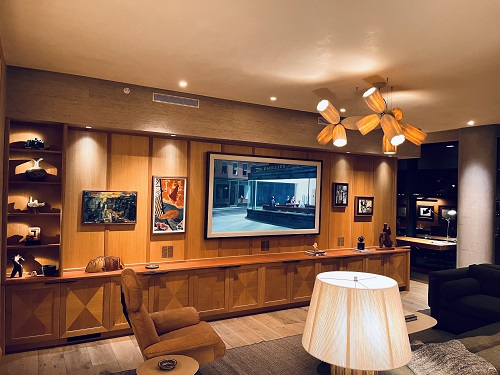
    The main living area sets the tone for the entire home. Layered, dimmable illumination lets one space move from a bright gathering to an intimate evening, with no harsh overhead taking over.

    A centralized lighting panel also clears the walls. Instead of a row of toggles by the entry, a single architectural keypad commands the whole room, preserving the clean sightlines the designer worked to create.

    Kitchen

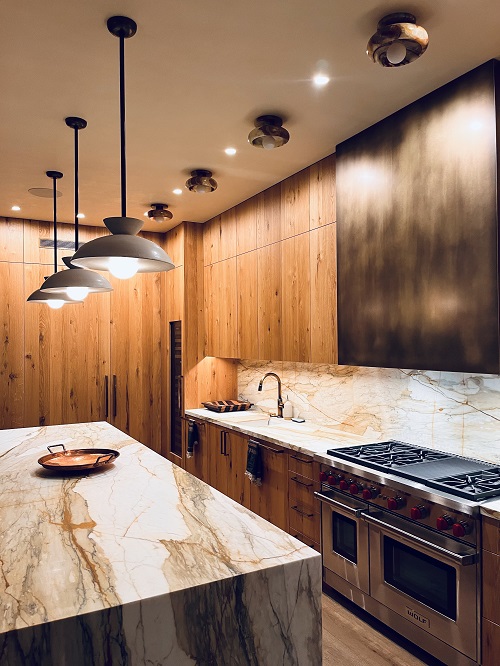
    The kitchen rewards precision. Cooler, crisp light keeps islands and counters sharp for prep, while under-cabinet detail and accent light on open shelving add depth that a single ceiling fixture never achieves.

    That same layering is what makes the room flexible. Tunable white carries the space from an energizing morning to a relaxed late dinner, and because it all lives on one panel, a single keypad press shifts the kitchen from prep to party.

    The primary suite

    The primary suite is where wellness enters the conversation. Tunable white light, often called human-centric lighting, shifts in tone across the day to echo natural daylight.

    Light’s timing and color affect how well you sleep and how alert you feel. Warm, dim evening tones and cooler, brighter morning light work with the body’s circadian rhythm, so the suite restores rather than merely illuminates. 

    This approach to your first smart lighting upgrade focuses your attention where design, daily life, and wellbeing intersect. The signature spaces earn the investment of a fully realized system before anywhere else.

    Are smart lights worth it in every room?

    Yes, though not in the same way everywhere. A proper system treats the residence as one canvas, with every space on the same platform rather than a patchwork of disconnected switches.

    The reason is consistency. When the whole home runs on one centralized system, a single scene can prepare the entire property for the evening, and the family never thinks about which room uses which control.

    That said, the depth of features varies by space. Signature rooms justify full tunable scenes and layered control, while secondary spaces need only to join the system gracefully.

    Mapping smart lighting ideas by room keeps the design intentional:

    • Signature spaces. Main living areas, kitchens, and suites earn full scene control, tunable white, and architectural keypads.
    • Everyday spaces. Studies, dining rooms, and guest suites benefit from dimming and scheduling on the same panel.
    • Service and transition spaces. Pantries, hallways, and closets need clean, automatic control rather than elaborate scenes.

    Leaving a few rooms on traditional switches breaks the experience. A guest reaching for a lone toggle in an otherwise seamless home feels the seam immediately. Approaching smart lighting room by room, with every space on one platform, is what makes a home feel genuinely whole. 

    The control method matters as much as the coverage. Choosing how each space responds to a touch, a panel, or a schedule shapes how effortless the finished residence feels.

    What rooms are best for motion sensor lights?

    Presence-based lighting belongs in the spaces you move through rather than linger in. Entries, staircases, hallways, dressing rooms, and wine cellars all benefit when light arrives before you do. Lights that respond to presence remove the small frictions of moving through a large home, and they make your space feel attended to even when no one is actively managing it.

    Knowing where to install smart lights with sensors comes down to how a space is used:

    What rooms are best for motion sensor lights
    • Entries and staircases. Illumination arrives the moment you approach, which matters most when arms are full or the hour is late.
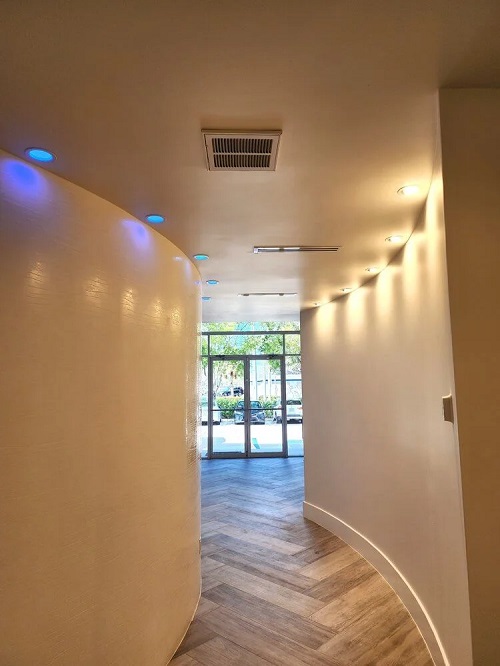
    • Hallways and galleries. A corridor lights gently as you enter and rests once you pass, so no part of the home stays lit without reason.
    • Dressing rooms and closets. Light greets you on entry and fades behind you, with no switch to find in the dark.

    Security is the quieter benefit. Presence-aware exterior and perimeter lighting can signal an occupied, watched home, and it integrates with the broader security system rather than standing alone. The same fixtures do double duty after dark, since lighting that carries from the interior out to the lanai and grounds keeps the property feeling alive long after sunset. 

    There is a privacy dimension, too. A well-designed system keeps these routines running on a local, enterprise-grade residential network, so the household’s patterns stay inside the home rather than on a distant server.

    Skip sensors where people settle in for long stretches, such as a study or media room. Light that fades when you sit still frustrates more than it serves, so those rooms call for deliberate scene control instead.

    Who to contact for bespoke smart lighting in Fort Myers, FL?

    Designing a home where light follows the family with quiet precision takes more than good fixtures, and that is exactly the work Liaison Technology Group lives for. As a certified Lutron Platinum and Crestron Platinum Elite dealer, our team designs centralized systems that erase wall clutter, support wellbeing, and protect the architecture you have invested in. 

    Whether you’re located close to Edison Mall or anywhere else in the area, we treat every project as a close working relationship, simplifying the technology so your home responds the way you want. Reach out to us today to walk through your home room by room and build a plan that fits how you actually live.