
How to Plan a Backyard Layout That Actually Works for Entertaining
Most backyard upgrades start with individual features. A new seating area, better lighting, or upgraded sound. Each decision makes sense on its own, but the space still doesn’t always come together the way people expect.
That’s because layout comes first. Before adding features, the space itself needs to support how people move, gather, and interact. Without that foundation, even well-designed elements can feel disconnected. This is where many homeowners start thinking more seriously about their outdoor living space as a whole, rather than focusing on individual upgrades.
When the layout works, everything else becomes easier. When it doesn’t, even high-end additions struggle to improve the experience.
What makes a backyard layout actually work for entertaining?
A functional layout is built around real behavior, not just how the space looks.
1. Clear zones give the space structure
A well-planned backyard is usually divided into zones. One area for seating, another for dining, and possibly a more open space for movement or relaxation.
These zones don’t need hard boundaries, but they should feel defined. Without that structure, guests may drift or hesitate when choosing where to settle. A strong layout also considers how outdoor audio zones will be distributed. When sound is aligned with these zones, each area feels connected without overwhelming the space.
2. Flow matters more than size
Even a large backyard can feel limited if movement between areas is awkward. Guests should be able to move naturally from one zone to another without interruption. Smooth transitions create better patio and yard flow, which makes the space feel more cohesive and easier to use. When flow is right, the entire environment feels more open and comfortable.
3. The layout should support conversation
People naturally gather where conversation feels easiest. Seating that is too spread out or poorly positioned can make interaction feel less natural. Creating intentional gathering areas encourages people to settle in and stay longer. These spaces should feel comfortable without requiring adjustment.
4. The space needs a natural focal point
Every successful backyard has a place where people tend to gather. This could be a central seating area, a fire feature, or a visual anchor. Without a focal point, the space can feel scattered. With one, the layout becomes more intuitive and easier to use.
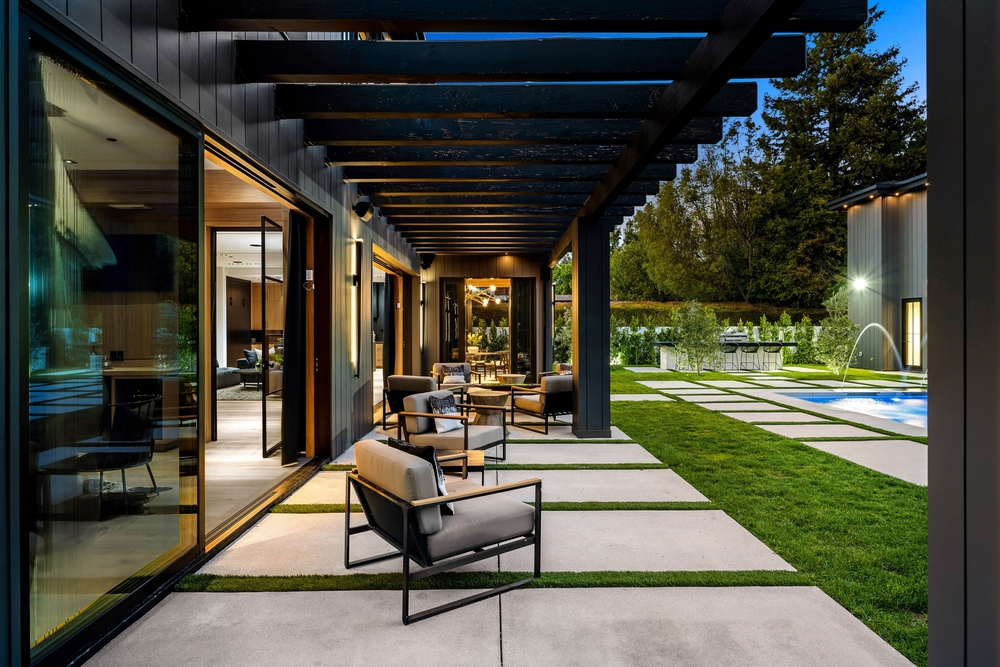
How should layout, lighting, and audio work together?
Once the structure is in place, the next step is making sure everything supports that layout.
1. Audio should follow the structure of the space
Sound should feel consistent across different zones. It should support the layout rather than concentrate in one area. Well-planned outdoor audio zones allow music to feel balanced no matter where someone is standing or sitting. This helps maintain a consistent atmosphere throughout the space.
2. Lighting should guide movement and define areas
Lighting plays a key role in how people experience a space, especially at night. A strong landscape lighting design highlights pathways, defines gathering areas, and creates a comfortable environment without making the space feel too bright or flat. When lighting is aligned with the layout, it helps people move naturally through the space.
3. Control should be simple and intuitive
A backyard should not require constant adjustment to feel right. If managing sound or lighting becomes a task, it takes away from the experience. With well-designed outdoor control systems, everything can be adjusted easily. This allows the space to adapt without interrupting the flow of the evening.
4. Integration keeps everything working together
When layout, lighting, and audio are planned together, the space feels more natural. Each element supports the others instead of competing for attention. This is what turns a collection of features into a cohesive environment.
What are the most common layout mistakes?
Even well-designed spaces can fall short if key details are overlooked.
1. Trying to do too much in one area
Adding too many features into a single space can make it feel crowded and less functional. Each zone should have a clear purpose.
2. Ignoring how people actually move
A layout that looks good on paper may not work in practice. If movement feels restricted or awkward, the space will feel less inviting.
3. Adding features before defining the layout
Placing furniture, screens, or lighting before establishing the overall structure often leads to a disconnected result. The layout should guide these decisions, not the other way around.
4. Overlooking how systems will integrate
Without considering how elements like sound and lighting will work together, the space can feel uneven. Well-planned outdoor audio zones and lighting placement help avoid this issue and create a more balanced experience.
How do you create a layout that feels natural and easy to use?
The goal is to design a space that works without requiring constant attention.
1. Start with how the space is used
Think about where people gather, how they move, and where interactions happen. These patterns should guide the layout.
2. Build around movement and transitions
Smooth transitions between areas help the space feel larger and more connected. Movement should feel effortless.
3. Keep the design flexible
A backyard should work for different types of gatherings. Flexible zones make it easier to adapt without rearranging everything.
4. Let technology support the layout
Once the structure is in place, systems can enhance the experience. With properly designed outdoor control systems, lighting and audio can adjust naturally, supporting the layout instead of complicating it.
How do you know if your layout is working?
A well-designed backyard feels easy to use. People settle in quickly. Movement feels natural. Conversations happen without effort. The space supports different activities without needing constant changes. These are all signs that the layout is working the way it should.
If you’re planning improvements, it can also help to understand how sound and lighting shape the way your backyard feels at night, and consider whether adding an outdoor TV actually enhances your setup or disrupts how the space is used.
Ready to improve your outdoor living space with a layout that actually works?
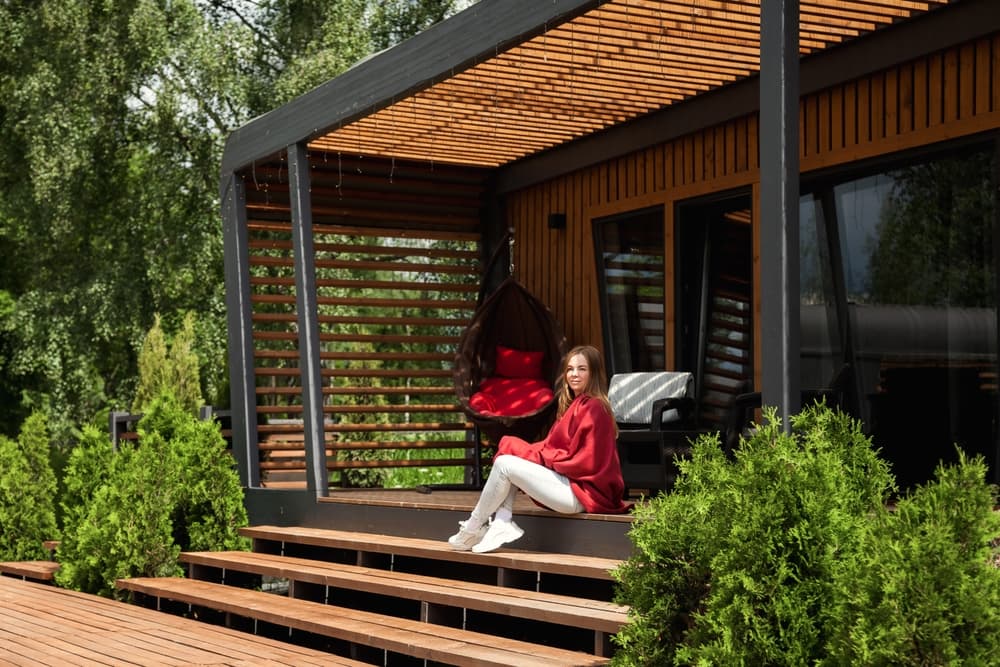
A great outdoor layout is about how the whole space feels once people are actually using it. At Liaison Technology Group, we help shape that experience through connected audio, simple controls, and thoughtful planning that supports the way you entertain.
Lighting plays a major role in that. With Liaison Outdoor Lighting, our dedicated outdoor lighting division, we can approach the backyard as a complete environment, making pathways easier to navigate, gathering areas more comfortable, and evening settings feel more polished without overpowering the space.
From outdoor audio zones to lighting and control, everything is designed to work together in a way that feels natural and easy to use. Our team can evaluate your current setup, identify where the layout may be limiting the experience, and help you create a plan that brings everything together. Get in touch with us today!